
How to Choose the Right Water Heater
Choosing the correct water heater is the first step in controlling your final cost. The wrong size or type can lead to higher energy bills or the need for expensive upgrades later. A standard tank water heater is a storage unit that keeps a fixed amount of water hot at all times. You must match the tank capacity to your household size. For a family of four, a 50-gallon tank is usually sufficient. Larger households may require 75 or 100-gallon units.
Energy Efficiency Ratings
Look for the Energy Star label when shopping for new units. This certification indicates that the unit meets strict energy efficiency guidelines set by the U.S. Department of Energy. Higher efficiency units often cost more upfront but save money on utility bills over time. In the Triad region, where energy costs are a significant household expense, this savings can be substantial.
Gas vs. Electric
Your existing fuel source dictates your options. If you have gas lines in place, a gas water heater is usually the most cost-effective choice. Electric units are simpler to install but may require electrical panel upgrades if your home has high power demands. A licensed plumber can assess your current setup to recommend the most efficient option.
Questions to Ask Before Committing
Warranty Coverage
Ask about the manufacturer's warranty and the contractor's workmanship warranty. Most tank water heaters come with a 5 to 12-year warranty on the tank itself. However, the labor to repair or replace the unit is often covered by a separate workmanship warranty. Clarify exactly what is covered and for how long.
Permit Responsibilities
In North Carolina, plumbing work often requires permits. Ask who is responsible for pulling the permit. A licensed contractor should handle this process. If a contractor tells you a permit is not needed for a water heater replacement, be cautious. This may indicate they are not following local codes.
Verifying Contractor Credentials
Not all plumbers are created equal. Verifying credentials protects your home and your investment. In North Carolina, plumbers must be licensed by the state. You can verify a license through the North Carolina Department of Labor and Regulation. A valid license ensures the plumber has passed the required exams and maintains insurance.
Insurance and Bonding
Always ask for proof of liability insurance and bonding. Liability insurance covers damage to your property during the job. Bonding protects you if the contractor fails to complete the work or disappears with your deposit. A reputable local company, such as JJ's Plumbing Y2K, will provide this documentation without hesitation.
Local Reputation
Check online reviews and ask for local references. Look for patterns in the feedback. Are customers praising the punctuality and cleanliness? Do they mention clear communication? Local reputation is a strong indicator of how a company treats its customers in the Triad area.
The Installation Process and Timeline
Understanding the installation process helps you plan for the disruption. A standard water heater replacement typically takes four to eight hours. The process begins with shutting off the water supply and gas or power. The old unit is drained and disconnected. The new unit is then positioned, connected, and tested for leaks.
Step-by-Step Breakdown
First, the plumber shuts off the main water supply and the gas valve or electrical breaker. Next, they drain the old tank and disconnect the pipes. The old unit is removed from the site. The new unit is brought in and placed on a suitable base. Finally, the plumber connects the water lines, gas line, or electrical wiring. They then turn the water back on and check for leaks. If it is a gas unit, they will also test the gas connection for safety.
Timeline Expectations
Most replacements are completed in a single day. However, complex installations may take longer. If your home requires a new gas line or an electrical upgrade, the job may span two days. A professional team will communicate these timelines clearly before starting work.
Detailed Cost Breakdown
The total cost of water heater replacement in Winston-Salem depends on several factors. The price of the unit itself is the largest variable. Labor costs are the second largest factor. Permits and disposal fees make up the remainder. Here is a general breakdown of what drives the price.
| Cost Component | Estimated Range | Notes |
|---|
These ranges are estimates. Your actual quote will depend on the specific model you choose and the condition of your existing plumbing. A detailed quote from a local professional will provide a precise figure.
Common Mistakes to Avoid
Homeowners often make mistakes that lead to higher costs or poor performance. One common error is buying the cheapest unit available. A low-cost unit may have a shorter lifespan and higher energy consumption. This can result in more frequent repairs and higher utility bills.
Ignoring Sizing
Another mistake is ignoring the size of the unit. A tank that is too small will run out of hot water quickly. A tank that is too large wastes energy by heating more water than you need. A professional can calculate the correct size based on your household's usage patterns.
Skipping Permits
Some homeowners try to save money by skipping permits. This is a violation of local codes and can cause issues when selling your home. It also voids the manufacturer's warranty in many cases. Always ensure the work is permitted and inspected.
Tank vs. Tankless Comparison
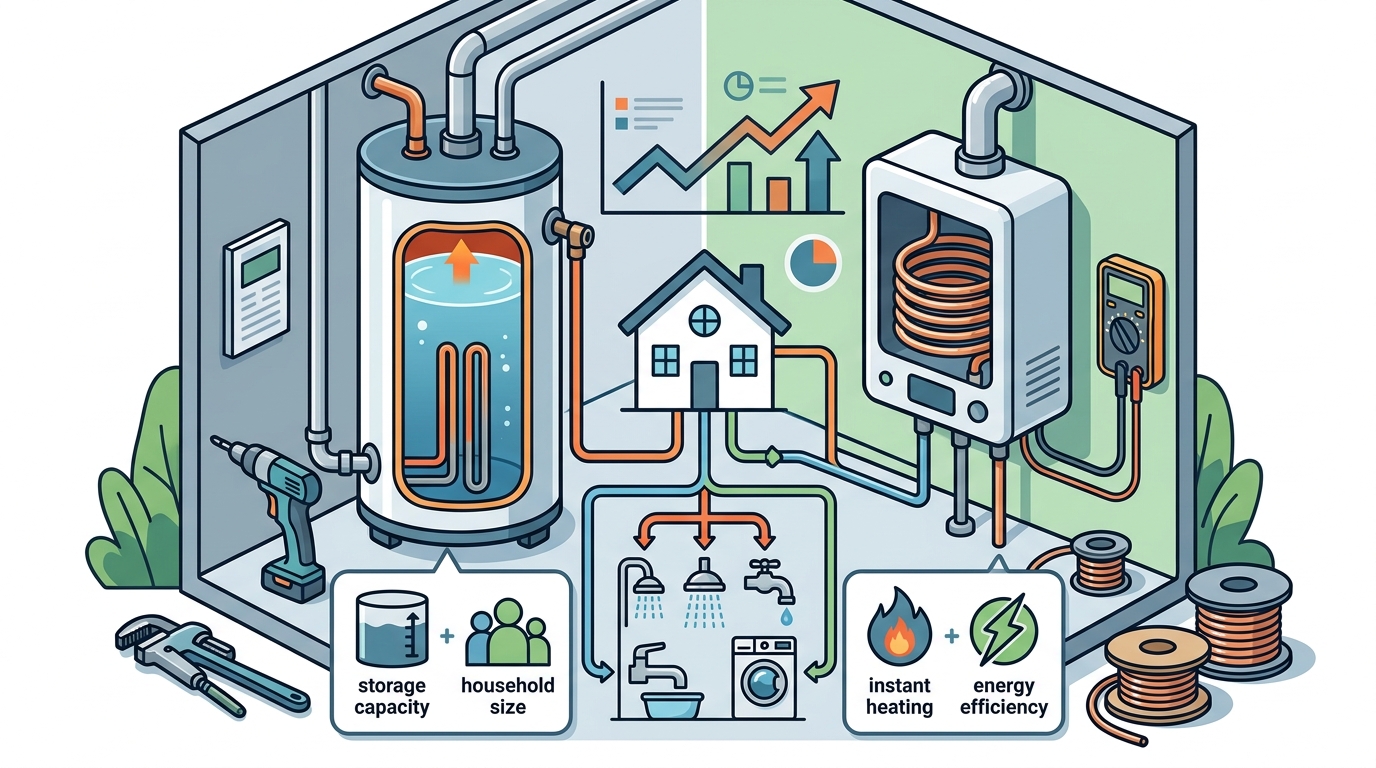
Choosing between a tank and a tankless system is a major decision. A tank water heater is a storage unit that holds pre-heated water. A tankless water heater is an on-demand unit that heats water as it flows through the system. Each has distinct advantages and disadvantages.
Cost Comparison
Tank units are cheaper to install but more expensive to operate over time. Tankless units have a higher upfront cost but lower energy bills. They also have a longer lifespan, often lasting 20 years or more compared to 10 to 15 years for a tank unit. The break-even point for a tankless system is usually 8 to 10 years.
Space and Convenience
Tankless units are compact and save space. They provide an endless supply of hot water. Tank units take up more space and have a limited supply of hot water. If you have multiple bathrooms in use at the same time, a tankless system may be a better fit.
Costs for Specific Home Scenarios
Your home's specific layout can affect the final cost. Older homes in Winston-Salem may have outdated plumbing that requires upgrades. For example, if your home has galvanized steel pipes, you may need to replace sections of the pipe when installing a new water heater. This adds to the labor cost.
Hard Water Considerations
The Triad region has moderately hard water. Hard water can cause mineral buildup in water heaters, reducing their efficiency and lifespan. Installing a water softener can protect your new investment. While this is an additional cost, it can extend the life of your water heater and other appliances.
Accessibility
If your water heater is in a tight crawlspace or attic, the installation may be more difficult. This can increase labor costs. A professional team with the right equipment can handle these challenges efficiently. They will also ensure the work is done safely and to code.
North Carolina Plumbing Rules and Protections
North Carolina has specific rules for plumbing work. The state requires plumbers to be licensed. This ensures they have the knowledge and skills to perform the work safely. Local municipalities may have additional requirements, such as specific types of valves or pressure relief devices.
Consumer Protections
As a consumer, you have the right to a clear contract. This contract should outline the scope of work, the cost, and the timeline. You also have the right to a warranty on both the equipment and the labor. If a contractor does not provide a written contract, do not hire them.
Inspections
After the work is complete, a local inspector may need to inspect the installation. This ensures the work meets local codes. The contractor should schedule this inspection for you. Passing the inspection is a key part of the process. It confirms that your new water heater is safe and compliant.
Winston-Salem Specific Factors
Winston-Salem and the surrounding Triad area have unique factors that affect water heater replacement. The local climate is mild, but winters can be cold. This means your water heater works hard to provide hot water during the colder months. Choosing a unit with a good energy rating is important for year-round efficiency.
Local Water Quality
The water quality in Winston-Salem is generally good, but it can vary by neighborhood. Some areas have higher levels of minerals or sediment. A local plumber can test your water and recommend the best type of water heater for your specific conditions. They can also advise on maintenance to keep your unit running smoothly.
Local Regulations
Winston-Salem has specific building codes that must be followed. These codes are designed to ensure safety and efficiency. A licensed local plumber will be familiar with these codes. They will ensure your installation meets all local requirements. This avoids potential issues with the city or when selling your home.
When to Replace Your Water Heater
Knowing when to replace your water heater can save you money and prevent emergencies. The average lifespan of a tank water heater is 8 to 12 years. If your unit is older than this, it is time to consider a replacement. Signs that your water heater is failing include rust on the tank, leaks, and a lack of hot water.
Emergency vs. Planned
An emergency replacement is more expensive than a planned one. If your water heater fails unexpectedly, you may need to pay for expedited service. Planning your replacement allows you to shop for the best price and schedule the work at a convenient time. It also gives you time to research different models and contractors.
Seasonal Timing
Spring and fall are the best times to replace a water heater. The demand for plumbing services is lower during these seasons. This can lead to shorter wait times and potentially lower prices. Summer and winter are peak seasons, and you may have to wait longer for an appointment.
Long-Term Performance and Savings
A new water heater provides reliable hot water for many years. It also improves the efficiency of your home. A modern, energy-efficient unit uses less energy to heat water. This translates to lower utility bills. Over the life of the unit, these savings can offset the initial cost of the replacement.
Maintenance and Longevity
Regular maintenance can extend the life of your water heater. Flushing the tank once a year removes sediment buildup. This keeps the unit running efficiently. It also prevents corrosion. A simple maintenance plan can add several years to the life of your water heater.
Resale Value
A new water heater can increase the resale value of your home. Buyers are often willing to pay more for a home with updated appliances. A recent water heater replacement is a selling point that can help you get a better price when you sell. It shows that the home has been well-maintained.
Key Takeaways
- Always hire a licensed and insured plumber to ensure safety and code compliance.
- Verify the contractor's license through the North Carolina Department of Labor and Regulation.
- Ask for a detailed line-item quote that separates equipment, labor, and permits.
- Match the tank size to your household size to avoid wasting energy.
- Consider the local water quality and climate when choosing a unit.
- Plan your replacement during spring or fall to avoid peak season prices.
Frequently Asked Questions
How long does a water heater last?
A standard tank water heater typically lasts 8 to 12 years. Tankless water heaters can last 20 years or more with proper maintenance. Regular flushing and inspection can extend the life of both types.
Do I need a permit to replace a water heater in Winston-Salem?
Yes, you generally need a permit for plumbing work in Winston-Salem. A licensed contractor will handle the permit process for you. This ensures the work meets local codes and passes inspection.
What is the difference between a tank and a tankless water heater?
A tank water heater stores pre-heated water in a large tank. A tankless water heater heats water on demand as it flows through the system. Tankless units are more energy-efficient but cost more to install.
How much does it cost to install a tankless water heater?
Can I replace my water heater myself?
It is not recommended to replace a water heater yourself. Plumbing work requires specific skills and knowledge of local codes. A mistake can lead to leaks, gas leaks, or electrical hazards. Always hire a licensed professional.
What size water heater do I need for my home?
The size of the water heater you need depends on your household size and usage patterns. A family of four usually needs a 50-gallon tank. A larger household may need a 75 or 100-gallon tank. A professional can help you determine the correct size.
How can I save money on my water heater replacement?
You can save money by planning your replacement during off-peak seasons. You can also look for energy-efficient models that qualify for rebates. Getting multiple quotes from licensed contractors can also help you find the best price.
What should I do if my water heater leaks?
If your water heater leaks, shut off the water supply and the gas or power immediately. Then, call a licensed plumber for an emergency repair or replacement. Do not try to fix the leak yourself if you are not experienced.