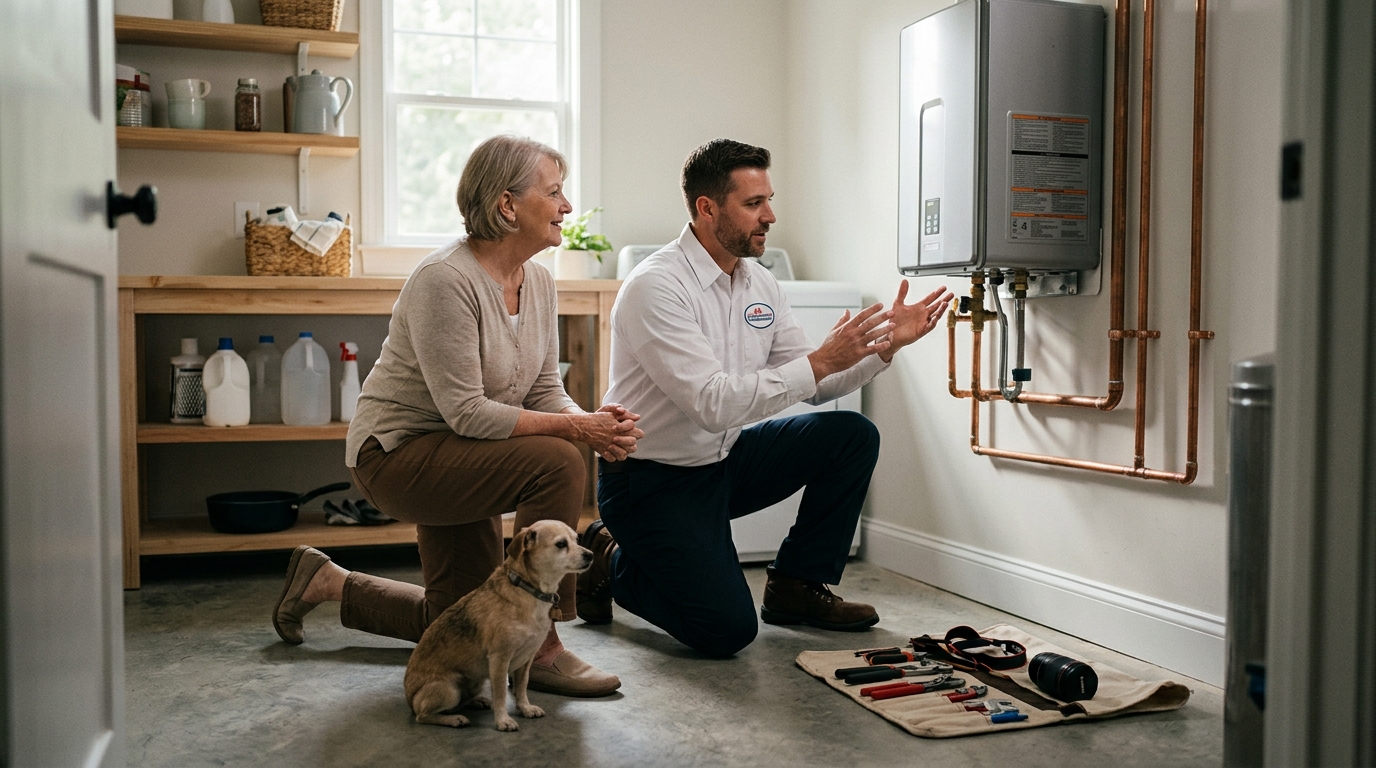
Water heater installation in High Point, NC, is best handled by a licensed local contractor who understands regional building codes and property layouts. JJ's Plumbing Y2K provides this service across the Triad, including High Point, using professional equipment and clear communication. This guide covers how to choose a provider, verify credentials, understand costs, and navigate the installation process.
How to Choose a Provider
Choosing the right contractor is the most critical step in ensuring a successful water heater installation. A good provider separates itself through transparency, licensing, and respect for your property. You want a team that explains the problem plainly before starting work, ensuring there are no surprises once the job is underway.
Licensing and Insurance
Always verify that the company holds a valid North Carolina plumbing license. JJ's Plumbing Y2K operates under NC License #27174, which ensures compliance with state regulations. Insurance is equally important, as it protects you from liability if an accident occurs on your property during the installation.
Communication Style
Effective communication is a hallmark of a professional service. The best providers offer clear answers and detailed recommendations. They should be willing to discuss options, such as tank versus tankless systems, and explain the pros and cons of each in simple terms. For additional details, review the Plumbing Project Gallery JJ.
What to Ask Before Committing
Before signing a contract, you should ask specific questions to gauge the provider's expertise and reliability. These questions help you understand the scope of work and the potential impact on your home.
Experience and Local Knowledge
Ask how long the company has been serving the Triad region. Local knowledge is vital because High Point homes often have specific plumbing challenges, such as older pipe materials or unique water pressure issues. A provider with deep local experience will anticipate these problems before they arise.
Warranty and Support
Inquire about the warranty on both the equipment and the labor. A reputable company will stand behind its work. Also, ask about their emergency response times, as water heaters can fail unexpectedly after installation.
How to Verify Credentials
Verifying a contractor's credentials is a simple but essential step. You can check the North Carolina State Board of Plumbing Examiners to confirm that a license is active and in good standing. This ensures the contractor is legally permitted to perform plumbing work in the state.
Checking Reviews and References
Look for recent reviews from other customers in High Point and surrounding areas. Pay attention to comments about punctuality, cleanliness, and communication. If possible, ask the provider for references from recent similar projects.
How the Installation Process Works
Understanding the installation process helps you prepare your home and manage expectations. The process typically follows a logical sequence, from assessment to final testing.
Assessment and Preparation
The technician will first assess your current setup, including the location of the water heater, the type of pipes, and the electrical or gas connections. They will then prepare the area, which may involve shutting off the water supply and draining the old unit.
Installation and Testing
Once the old unit is removed, the new water heater is installed. The technician will connect the pipes, ensure proper ventilation if it is a gas unit, and check for leaks. Finally, they will test the system to ensure it is functioning correctly and safely.
What It Costs
The cost of water heater installation varies based on several factors. Understanding these drivers helps you budget accurately and avoid unexpected expenses.
Equipment Type
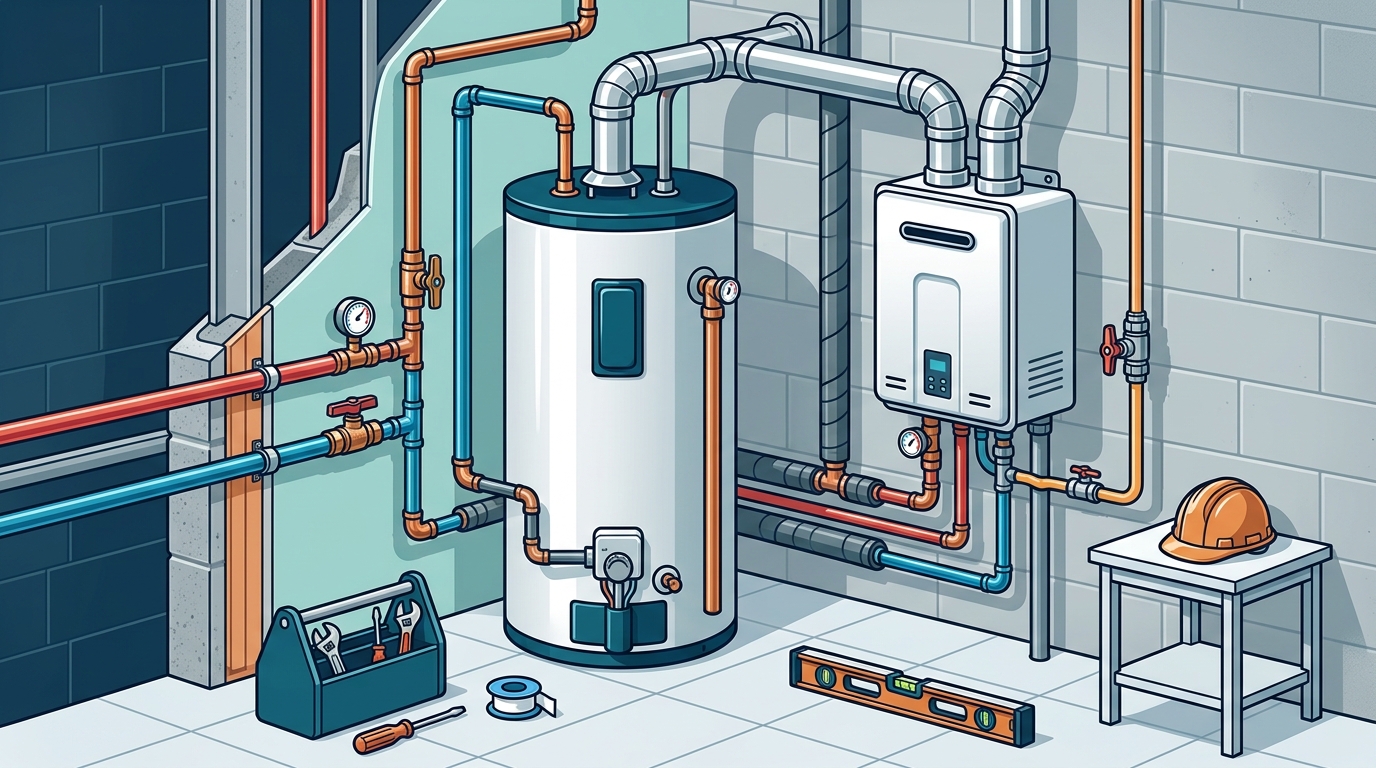
The type of water heater you choose is the biggest cost factor. Traditional tank water heaters are generally less expensive upfront, while tankless models have a higher initial cost but can save money on energy bills over time. The size of the unit also affects the price.
Labor and Complexity
Labor costs depend on the complexity of the installation. If the new unit is the same size and type as the old one, the job is straightforward. However, if you are upgrading to a larger unit or changing from gas to electric, the labor cost will increase due to the additional work required.
Common Mistakes to Avoid
Homeowners often make mistakes that can lead to costly repairs or safety hazards. Avoiding these common errors ensures a smooth installation process.
Ignoring Sizing Requirements
Choosing a water heater that is too small or too large for your household needs is a common mistake. A unit that is too small will struggle to keep up with demand, while one that is too large wastes energy. A professional will help you calculate the correct size based on your household's usage patterns.
Skipping Permits
Some homeowners try to save money by skipping the required permits. This is a bad idea because it can lead to fines and complications when selling your home. Always ensure that your contractor handles all necessary permits and inspections.
Versus Alternatives
When considering water heater installation, you have a few main alternatives. Each option has its own set of advantages and disadvantages.
| Option | Pros | Cons |
|---|---|---|
| Traditional Tank | Lower upfront cost, widely available | Higher energy consumption, limited hot water supply |
| Tankless | Endless hot water, energy efficient, compact | Higher upfront cost, requires larger pipes in some cases |
| Heat Pump | Very energy efficient, quiet | Higher cost, requires specific installation space |
Traditional tank water heaters are the most common choice for their affordability. Tankless models are a popular upgrade for those looking to save on energy bills. Heat pump water heaters are the most efficient but require more space and a higher initial investment.
For Specific Situations
The best water heater for your home depends on your specific situation. Consider your household size, energy usage, and budget when making your decision.
Large Households
If you have a large family, you may need a larger tank or a high-capacity tankless system. This ensures that you always have enough hot water for showers, laundry, and dishes.
Energy Efficiency Focus
If reducing your energy bills is a priority, a tankless or heat pump water heater is a good choice. These systems use less energy to heat water, which can lead to significant savings over time.
Rules and Protections
North Carolina has specific rules and protections in place to ensure that plumbing work is done safely and legally. Understanding these rules helps you protect yourself as a consumer.
Licensing Requirements
Only licensed plumbers are allowed to perform plumbing work in North Carolina. This ensures that the work meets state standards and is safe. Always verify the license of any contractor you hire.
Consumer Protections
Consumers have the right to a clear contract that outlines the scope of work, costs, and warranties. If a contractor does not provide a written contract, it is a red flag. You also have the right to a refund if the work is not completed as agreed.
Local Specifics for High Point
High Point has unique characteristics that affect water heater installation. Understanding these local specifics helps you make a better-informed decision.
Water Quality
The water quality in High Point can vary, which may affect the lifespan of your water heater. If you have hard water, you may need a water softener to protect your equipment. A local plumber can advise you on the best solutions for your specific area.
Building Codes
High Point has specific building codes that must be followed during installation. These codes ensure that your water heater is installed safely and efficiently. A licensed local plumber will be familiar with these codes and will ensure that your installation complies with them.
Timing Your Installation
Timing is an important factor to consider when planning your water heater installation. Scheduling your installation at the right time can save you money and reduce stress.
Seasonal Demand
Plumbers are busiest in the winter when water heaters are most likely to fail. Scheduling your installation in the spring or fall can help you get a faster appointment and potentially a better price.
Emergency vs. Planned
If your water heater fails unexpectedly, you will need emergency service. This is more expensive than a planned installation. If you notice signs of wear, such as rust or leaks, it is better to schedule a replacement before it becomes an emergency.
Results Over Time
A well-installed water heater should provide reliable service for many years. Understanding what to expect over time helps you maintain your equipment and maximize its lifespan.
Lifespan Expectations
Traditional tank water heaters typically last 8 to 12 years, while tankless models can last 20 years or more. Regular maintenance, such as flushing the tank, can extend the life of your water heater.
Energy Savings
If you upgrade to a more efficient model, you should see a reduction in your energy bills. The exact amount of savings depends on your usage patterns and the efficiency of the new unit. Over time, these savings can offset the higher upfront cost of a premium model.
Key Takeaways
- Always hire a licensed and insured plumber for water heater installation.
- Verify the contractor's license with the North Carolina State Board of Plumbing Examiners.
- Ask about the warranty on both the equipment and the labor.
- Choose the right size and type of water heater for your household needs.
- Understand the local building codes and water quality in High Point.
- Schedule your installation during off-peak seasons to save money.
- Regular maintenance can extend the life of your water heater.
- Consider upgrading to a tankless or heat pump model for energy savings.
Frequently Asked Questions
How long does water heater installation take?
A standard water heater installation typically takes 4 to 8 hours. The exact time depends on the complexity of the job and whether any additional work is required, such as upgrading pipes or electrical connections.
Do I need a permit for water heater installation in High Point?
Yes, you need a permit for water heater installation in High Point. Your licensed plumber should handle the permit process and ensure that the installation passes inspection.
What is the difference between a tank and tankless water heater?
A tank water heater stores hot water in a large tank, while a tankless water heater heats water on demand. Tankless models are more energy efficient and provide endless hot water, but they have a higher upfront cost.
How much does water heater installation cost in High Point?
The cost of water heater installation in High Point varies based on the type of unit and the complexity of the job. A standard tank replacement is generally less expensive than a tankless installation. For an accurate quote, contact a local plumber.
Can I install a water heater myself?
No, you should not install a water heater yourself. In North Carolina, only licensed plumbers are allowed to perform plumbing work. Attempting to install a water heater yourself can lead to safety hazards and code violations.
How often should I maintain my water heater?
You should flush your water heater tank once a year to remove sediment buildup. This helps extend the life of your water heater and improves its efficiency. A professional plumber can perform this maintenance for you.